
The equipment business
How to make a small gear comparison repeatable
A working method for recording samples, observations and conclusions without pretending to test everything.
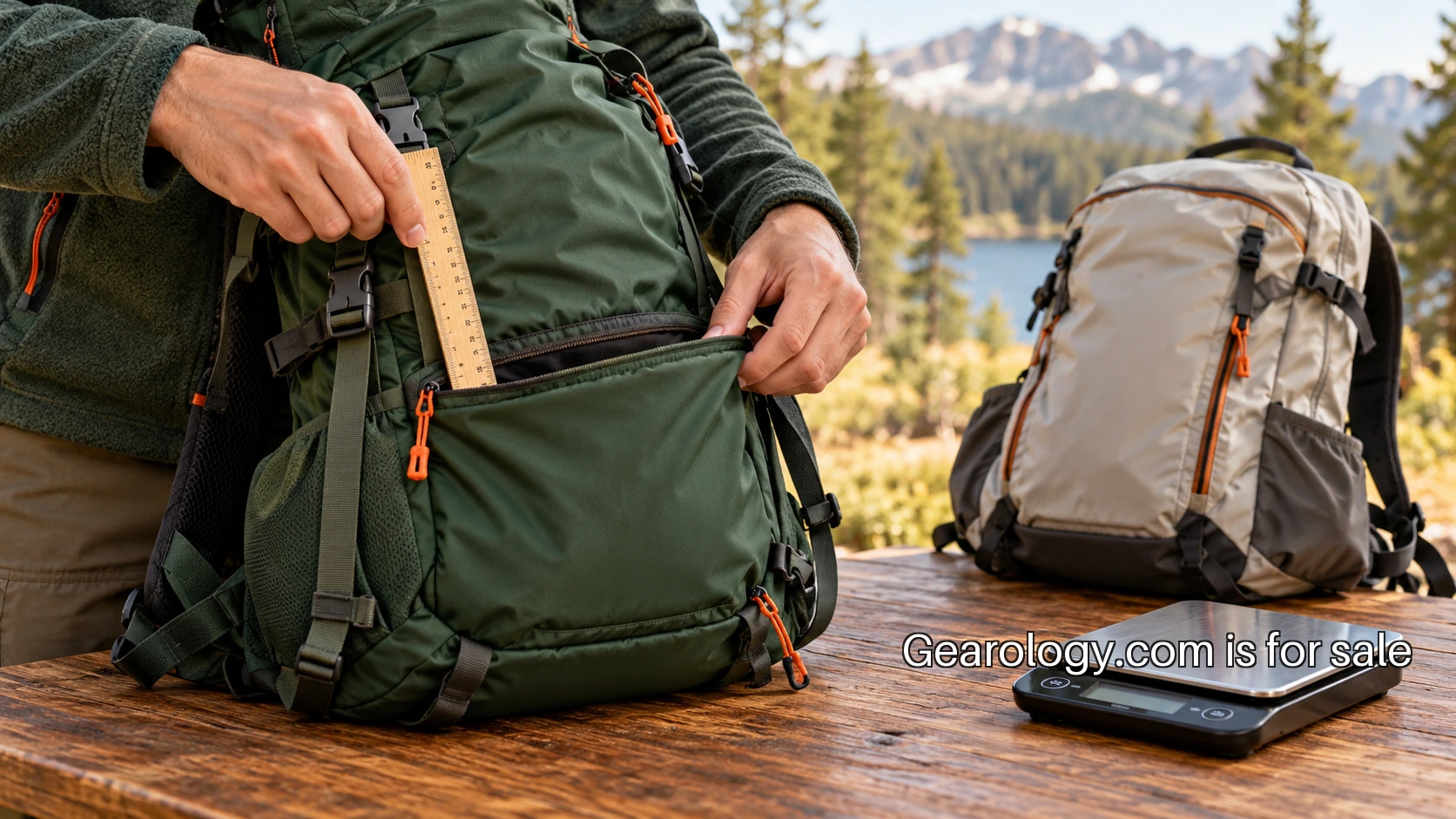
Choose a question a small team can answer
A useful gear comparison starts with a question precise enough to investigate. Which pack layout makes a frequently used layer easiest to reach? How do three bottle openings differ when cleaned with the same brush? These questions are smaller than asking for the best product overall. They also make it easier to explain what the result means and where it stops.
Write the question before choosing the samples. Then describe the intended reader and the context. A bag used for a short local walk is a different use case from the same bag used for commuting. The comparison may still be helpful to both readers, but the observed task should remain specific. This article offers an illustrative editorial workflow, not a certification method or technical safety test.
Decide what would count as useful evidence. The answer might be a set of photographs, a measured dimension, a recorded task or a clearly attributed personal impression. Avoid designing a scoring system before knowing which observations matter. A simple table can explain a choice better than a composite number whose components are difficult to interpret.
Make a sample register
Give every physical sample a unique identifier. Record the manufacturer, model, size, stated version and the date it entered the project. Keep the purchase, loan or supply details in the working record. A product with a revised pocket layout should not be treated as identical to an older sample simply because the marketing name remains the same.
Photograph the sample as received, including its labels and any visible issues. Keep accessories with the correct item. If the team borrows a product, record the return date and condition expectations. Sample administration is ordinary production work, but it prevents confusion when several similar products are on the same bench.
Decide which information belongs in the published record. Readers usually need the exact version and the timing of the work. Internal receipts and personal contact details do not belong on the page. The team can maintain a complete private record while publishing the specific facts required to understand the comparison.
Write the method as instructions for a colleague
A method is useful when another person can follow it without asking what the writer meant. List the equipment, the sample setup and the sequence of actions. For an organization comparison, specify the objects placed inside each bag and where the evaluator begins. Photograph the setup so the written description has a visible reference.
Control what the team can reasonably control. Use the same scale for a batch of weight measurements and identify whether packaging or accessories are included. Use a consistent camera position for comparative photographs. If conditions vary, record the variation. Consistency supports interpretation; it does not make every observation universal.
Pilot the method on one sample before running the full set. The first attempt may reveal that the camera cannot show the relevant pocket, or that an instruction allows two different interpretations. Fix the method and repeat the pilot before comparing products. Keep a version number so the final article can identify which procedure produced its evidence.
Separate measurements from impressions
A measured opening width and an evaluator's impression of access are different kinds of information. Publish them in language that makes the distinction visible. A dimension can be reported with the measurement method. An impression should identify the task and the evaluator's context. Avoid turning one person's fit preference into a claim about all users.
Repeat a task when repetition helps answer the actual question. Record the individual observations, not only the preferred outcome. If the result varies widely, investigate the setup and report the uncertainty that matters to the reader. A tidy average should not conceal that the task was hard to perform consistently.
The team should also distinguish manufacturer information from its own work. A claimed material specification may be useful background, but it is not a result produced by the publication. Label the source in the product record. This small habit makes it easier to correct a page later if the manufacturer updates its documentation.
Keep evidence beside the conclusion
Create a folder structure that connects every published statement to its working material. The sample identifier should appear in filenames or metadata. Keep original photographs, notes and the method version together. Editing an image for clarity should not destroy the original record needed to check what was shown.
Build the conclusion from the observations. If the opening question concerns access to a layer, explain which layouts helped or hindered that task. Do not quietly broaden the conclusion into a durability recommendation or an assessment of every use case. A narrow result can be useful precisely because the reader can see how it was obtained.
Include photographs that explain the difference. A row of attractive product portraits may establish the samples but leave the decision unresolved. An interior view with the same contents can show why the task felt different. Choose the image because of the evidence it conveys, then write a caption describing the relevant observation.
Resolve commercial relationships early
A publication needs a record of how each sample was obtained and any commercial relationship attached to the coverage. Resolve those questions before editing the conclusion. A supplied sample, an affiliate link and a paid placement are different arrangements. The reader should be able to understand the relationship that applies to the recommendation in front of them.
The FTC's disclosure overview discusses material connections and the placement of disclosures. For a comparison workflow, build the relationship note into the page template and review it with the article. Do not leave it as a task someone is expected to remember after publication.
Keep an editorial decision log when a commercial request affects the process. If a manufacturer asks for approval before publication, the team needs a policy and a documented response. A small publication benefits from resolving the boundary consistently rather than negotiating a different standard for each sample.
Plan for corrections and changed products
A published comparison remains a record of work done at a particular time. Products can change, links can stop working and a reader can identify an error. Provide a route for corrections and assign someone to review the reports. Record substantive changes on the page so the current conclusion has an understandable history.
Set review dates according to the content. A page tied to a model version needs a different update decision from a general explanation of the method. Do not change the date merely to make an old article look new. Decide whether a fresh sample or a repeat of the procedure is needed, then describe the work actually performed.
Budget for this maintenance alongside new coverage. The SBA's business-planning resources can help frame the broader operating plan. For a publication, sample handling, editing and updates are recurring work. A schedule that ignores them can leave useful comparisons unsupported after the first release.
Finish with a usable decision aid
Before publication, ask a colleague to read the question, inspect the evidence and explain the conclusion back to the team. If the explanation depends on an observation that never appears on the page, add the missing evidence or narrow the claim. This is a practical editorial check rather than a vote on which product should win.
A complete small comparison includes the question, the sample identities, the method, the observations, the relevant relationships and a conclusion within that scope. Readers can then decide whether the tested task resembles their own. The publication has a repeatable unit of work for its next issue, and a record it can revisit when the equipment or the question changes.
A name to put above the work.
Tell PremiumBrands about the equipment business you have in mind.
Ask About Pricing