
An illustrative Gearology business concept
A specialist shop built around the first trail kit
Your first trail kit and the specialist shop that grows around it.
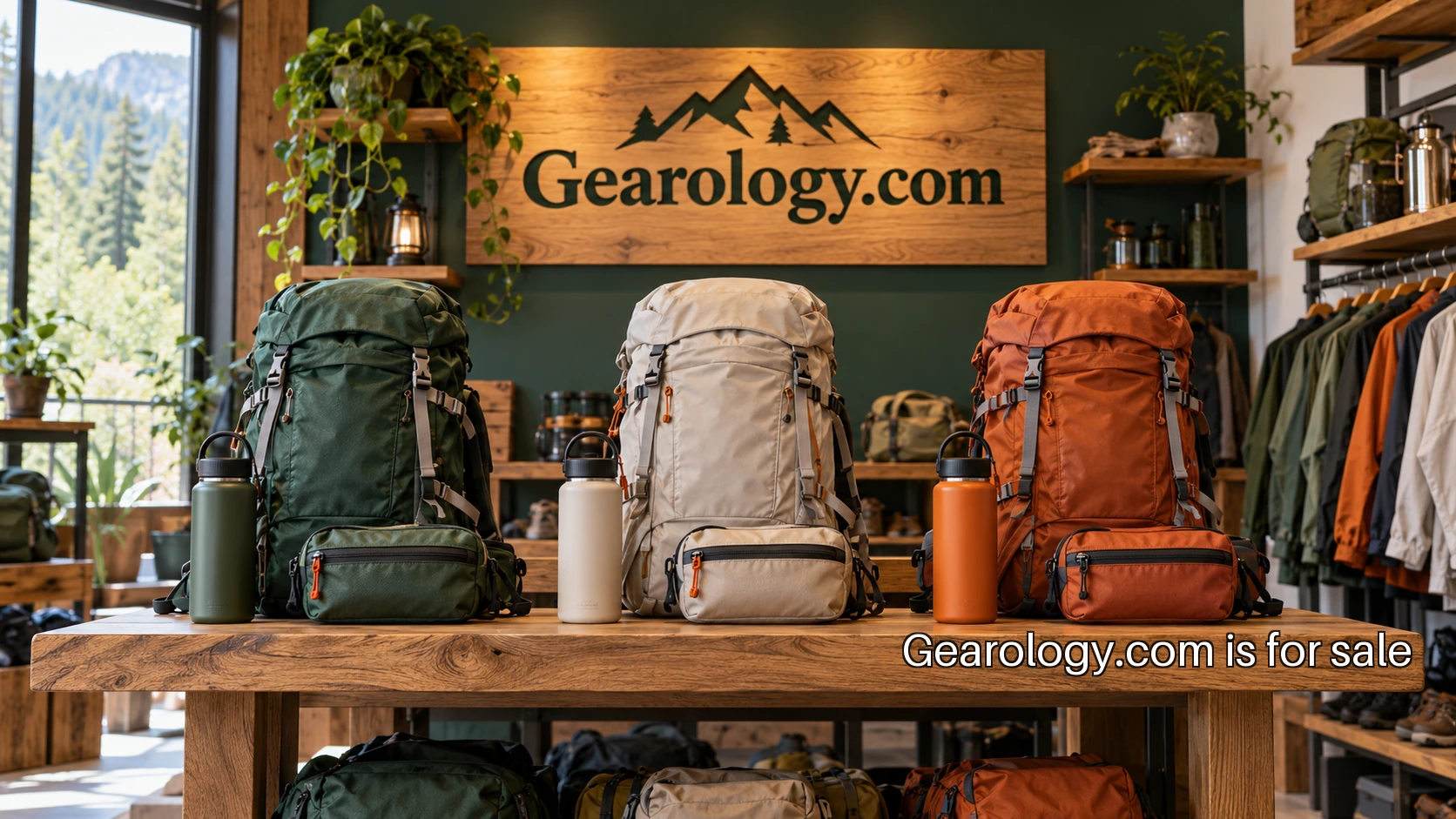
Begin with one outing, rather than every category
A Gearology specialist store could begin by serving people buying equipment for their first regular day walks. That is a concrete buying situation: someone has a few useful things already, a trip in mind, and questions about what belongs in the bag. The store's first job would be to help that person choose a sensible set of ordinary trail goods, with enough detail to understand each purchase. This is an illustrative business concept, rather than an operating shop.
The founder could choose a compact range of day packs, bottles, organizers and nontechnical accessories. Begin with categories the team can describe and support properly. A small range makes it possible to answer practical questions about dimensions, pockets, cleaning and replacement parts. Gearology suits a shop whose identity comes from its selection standards and its willingness to explain a choice.
Give the first assortment a clear boundary
Imagine the opening offer as three pack sizes, two bottle formats and a handful of organizers. Each product has a plain statement of who it is for, the measurements that matter and the compromises in its design. A short comparison shows what fits inside each pack. Product photographs include the empty interior and the same everyday objects for scale, rather than a different attractive scene for every model.
The range should leave space for advice that does not lead to a sale. A shopper may already own a suitable bottle. Another may need to measure an existing laptop before choosing a bag. A useful shop can make those decisions easier, and record the questions that keep appearing. Those questions become the next product-page improvements and the next buying guide.
For trip preparedness, point readers to established outdoor guidance rather than turning a retail bundle into a universal packing prescription. REI's Ten Essentials overview describes categories whose contents depend on the outing. A commercial starter assortment should state its own limited purpose and keep route-specific advice with qualified sources.
Make the economics visible before adding stock
The founder needs a simple contribution model for each order. Put the purchase cost, inbound freight, packing materials, payment charges and expected fulfilment work beside the selling price. Add a separate allowance for returns and damaged stock. These are planning inputs to investigate, not numbers that can be guessed from another retailer's website. The aim is to know which offer is operationally workable before ordering a second batch.
A slow-moving color can tie up cash even when a product is popular in another variant. Start with a depth and replenishment plan the team can actually manage. Set a review date for every new stock line. Record whether the line earns its space through demand, a useful role in the assortment, or a question customers repeatedly ask. Do not keep adding products just to fill navigation categories.
The SBA's business-planning resources provide a useful place to organize startup questions. The shop still needs its own supplier terms, inventory assumptions and fulfilment plan. A short written plan gives the founder something specific to revise after the first real orders.
Reach the people planning the outing
A credible opening distribution path is a series of practical kit comparisons shared with local walking groups and outdoor educators, with permission from the organizers. Show the difference between two bag sizes using the same contents. Explain how to find a manufacturer's care instructions. Publish a guide to measuring a pack's usable compartments. Each piece should stand on its own even if the reader buys nothing.
A small shop can also hold an appointment-based product session with a community partner. Bring the actual stock, answer the same questions that appear online and record which explanations need better photographs. The event has a defined purpose: learn how people choose the assortment and help them see the products. Any commercial relationship should be described plainly where the material appears.
Design the service before the launch announcement
The operating plan needs ownership of customer replies, a way to track missing parcels and clear return handling. Product records should keep supplier identifiers and manufacturer instructions together. A new team can rehearse a damaged-item report and a wrong-size return before taking orders. That exercise often reveals missing photographs, confusing labels or an assumption nobody had written down.
Start with a small release, gather the actual support questions and review the range on a fixed schedule. The first improvement might be a clearer capacity comparison, rather than another category. The next collection can grow out of evidence about what buyers are trying to do. Gearology would give the founder one identity across that selection work, the useful guides and the parcel that arrives at the door.
The domain acquisition is a separate first decision. PremiumBrands.com offers Gearology.com for a founder who wants to develop this kind of specialist shop. Ask about pricing with the assortment you have in mind, or describe another equipment direction that fits the name. The conversation can start with a small range and an ambitious plan for the business around it.
A name to put above the work.
Tell PremiumBrands about the equipment business you have in mind.
Ask About Pricing