
An illustrative Gearology business concept
An equipment publication with a method readers can inspect
A testing bench, a clear method, and a publication under one equipment-minded name.
Make the comparison useful before making it large
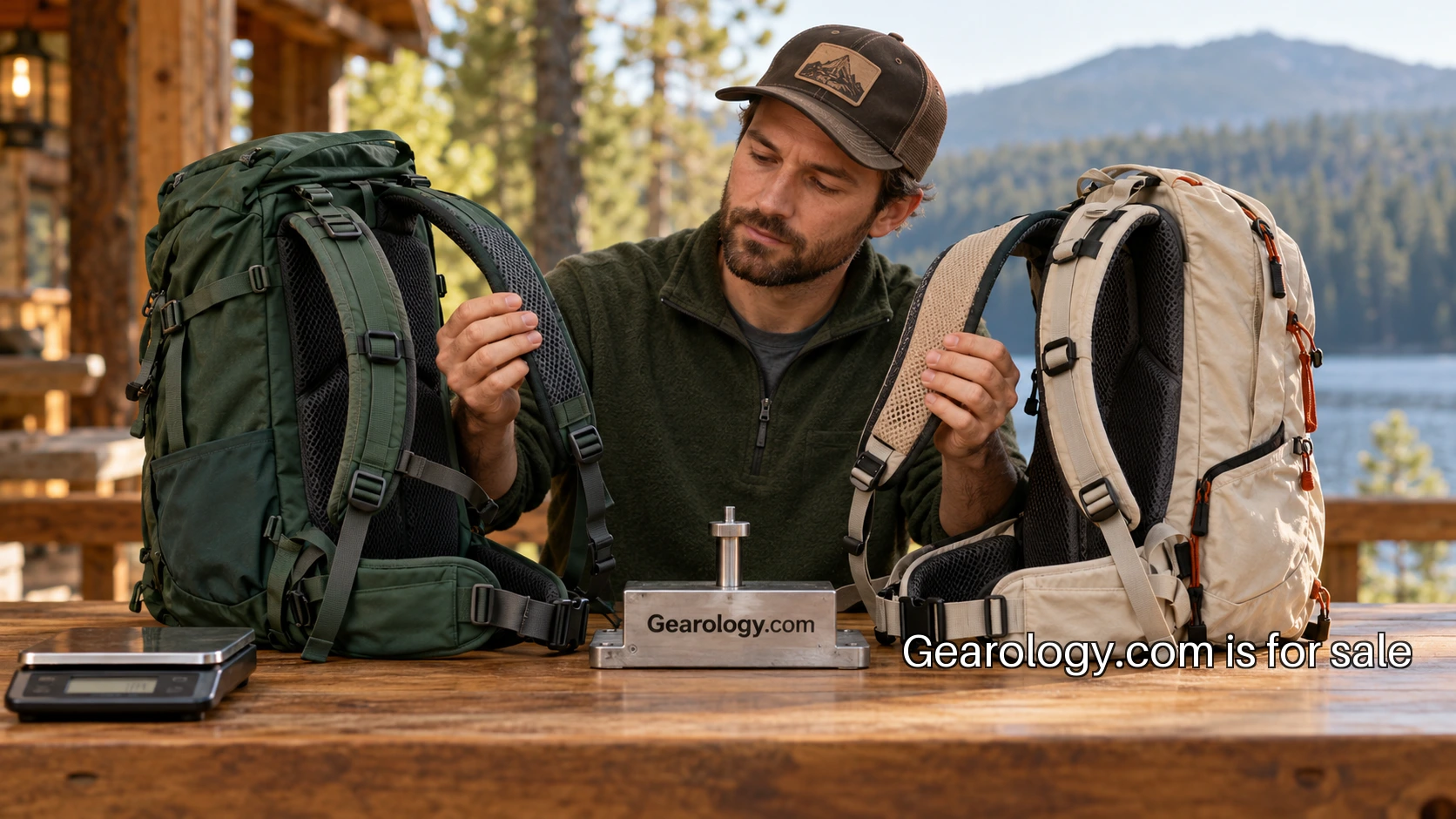
A Gearology testing publication could help readers choose between ordinary outdoor products by showing how each comparison was done. The founder's advantage would be a clear editorial method: the same measurements, the same photographs and an explanation of the limits. The first audience might be people choosing a day pack for regular walks and travel. This is an illustrative publishing concept, not a claim that Gearology currently tests equipment.
The opening offer could be a small library of comparisons supported by a monthly email. Pick one question for the first series, such as how easily a bag organizes a fixed set of belongings. Gearology gives that publication an equipment-minded identity broad enough for future categories, while the launch stays narrow enough to make the work consistent.
Publish what was actually done
Imagine a comparison of four day packs. The team records the stated capacity, weighs the empty sample with the same scale, photographs the interior from the same angle and loads each bag with the same objects. An evaluator then describes access, organization and personal fit impressions separately. The measured observations should not quietly turn into claims about every user's comfort.
A method page should explain how products are obtained, who performs the evaluation and what happens when a sample changes. Keep the purchase record and model version with the working notes. If a product is revised, identify the tested version. Readers should be able to distinguish a current test from a manufacturer description and an older observation that has not been checked again.
The work does not need to imitate an accredited laboratory. Ordinary comparisons can be useful when their scope is honest. A zipper-access exercise can show how the evaluator used a bag under stated conditions. It cannot establish a universal durability rating. The publication should choose a question it can answer directly and let the evidence determine the wording of the conclusion.
Separate the editorial decision from the revenue path
The founder could fund the first series through a paid reader membership, display advertising or affiliate links. Each route asks for different operating decisions. A membership requires a clear recurring benefit and a sustainable publishing schedule. Advertising requires a boundary between commercial placement and the editorial result. Affiliate revenue requires useful buying links without allowing the commission to choose the conclusion.
The FTC's disclosure guidance explains that material relationships should be made clear alongside endorsements. For this concept, the practical design decision is to place an understandable relationship note where a reader encounters the recommendation. A disclosure page hidden elsewhere is a poor substitute for a clear local explanation.
A simple internal record can track whether each sample was bought, loaned or supplied. It can also record any restrictions requested by a manufacturer and the publication's response. The point is to resolve the relationship before writing the conclusion, rather than trying to remember it at the end of production. Commercial discussions need a named owner and an editorial policy that the team can apply.
Build distribution around a repeatable question
One credible route to the first readers is a recurring comparison shared with communities that already discuss the chosen product category. Instead of announcing a broad new media brand, publish a clear answer to a practical question: which layout makes a rain layer easiest to reach with the same load inside? The result can include a short video, a full method and a table of observed differences.
The email can then invite readers to nominate the next question. Ask what they need to carry and which decision they are struggling to make. Avoid promising to test every suggestion. A manageable queue is part of the publication's credibility with its own team: the next issue should be achievable with the samples, time and equipment available.
The SBA's planning material can help structure the operating assumptions. A publishing budget should include acquiring samples, photography, editing, storage, returns and updates. Publishing frequency follows that workload. A monthly series completed carefully is a more concrete offer than a daily schedule nobody has costed.
Define the first complete release
The first release could contain the method page, four individual product records and one comparative article. Each record includes the exact model, when the work happened and the same core photographs. A corrections route lets a reader point out a factual error. The team can keep a public change note when a correction affects a conclusion.
After launch, review how long the work took and which evidence readers actually used. Perhaps the interior photographs explain more than a composite score. Perhaps the comparison needs a separate view for people carrying bulky clothing. Those are useful editorial decisions that can shape the next series without turning every page into a new format.
A founder could build this publication under Gearology.com and make equipment understanding the brand's daily work. PremiumBrands.com offers the domain for acquisition. An inquiry can describe the subject, the intended reader and the publishing model, then open a conversation about pricing and possible structures. The name would belong above the method, the first comparison and the publication that develops from them.
A name to put above the work.
Tell PremiumBrands about the equipment business you have in mind.
Ask About Pricing